How to Handle Sales Rejection: A Practical Guide for Sales Professionals
How to Handle Sales Rejection In Sales
GMJ
11/28/20252 min read
How to Handle Sales Rejection: A Practical Guide for Sales Professionals
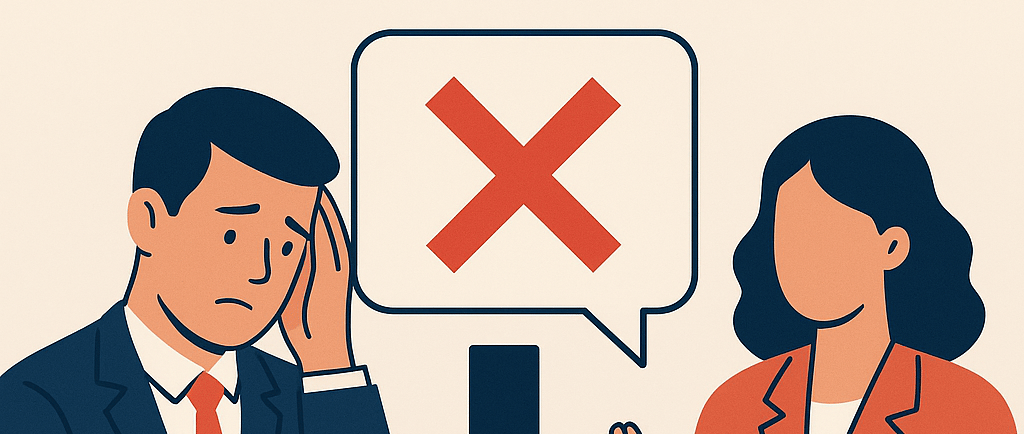
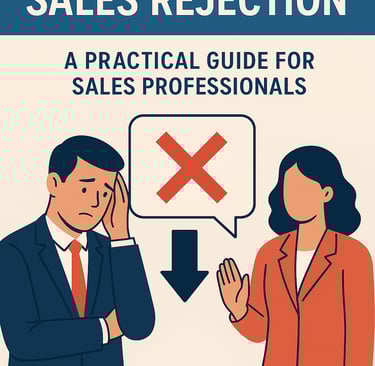
Sales rejection is not a sign of failure—it’s a natural part of the sales process. Even the best closers in the world hear “no” more often than “yes.” What separates top performers from average ones is how they respond to rejection. Here’s how you can handle rejection the smart way and turn setbacks into future wins.
1. Don’t Take It Personally
Rejection is about the offer, timing, or the prospect’s situation, not you.
Remember:
You don’t know their budget.
You don’t know their internal challenges.
You don’t know their priorities.
Keep emotions out of the equation and focus on the big picture.
2. Ask for Feedback (When Possible)
A simple question like:
“Just for my learning—was there anything specific that made you decide not to move forward?”
This can give you:
Insight on objections
Understanding of gaps in your pitch
Clarity on what to improve
Not every prospect will respond, but the ones who do will help you level up.
3. Improve Your Pitch With Every “No”
Use rejection as fuel to refine:
Your opening line
Your tone
The value proposition
Your objection handling
Top salespeople take notes after each call and adjust their approach.
4. Separate Emotion From Process
Sales is a numbers game:
More calls
More conversations
More practice
More wins
Focus on activity, not outcome. Control the controllables.
5. Stay Positive and Move On Quickly
A rejected pitch shouldn’t drain your entire day. Develop a quick mental reset:
Take a 2-minute walk
Drink water
Listen to a positive audio cue
Switch to the next lead
Momentum keeps confidence alive.
6. Follow Up Later
A “no” today does not mean “no forever.”
Prospects frequently say:
“Not now”
“We are busy”
“We have someone already”
Add them to your follow-up list. Many deals close months later because the salesperson didn’t disappear.
7. Track Your Wins vs. Rejections
Look at patterns:
When do you close more?
Which industries respond better?
What objection do you hear the most?
Rejection becomes a data point, not a defeat.
8. Build Emotional Resilience
Sales is a mindset game. Strengthen your resilience through:
Daily affirmations
Encouraging conversations with peers
Celebrating small wins
Reminding yourself of your long-term goals
A strong mind = strong results.
9. Focus on Value, Not Validation
You are not seeking approval; you are offering a solution.
Shift your mindset from:
❌ “I hope they like me”
to
✅ “I hope I can help them.”
This creates confidence and authority in your communication.
10. Keep Practicing
Every script, every objection, every conversation improves your skills. Over time, rejection becomes:
Easier to handle
Less emotional
More instructive
Sales success is built on persistence.
Final Thought
Rejection is not the end—it’s just a signal to refine, adjust, and try again.
If you stay consistent, resilient, and committed to learning, every “no” brings you one step closer to a powerful “YES.”
Contact
Address : 802 Lake City, Lahore, Pakistan
Gmj@csgmj.online
© 2025. All rights reserved. GMJ
Phone :+923144767279
Reach us anytime, day or night. We start our work once you are ready